How to Properly Number Your Invoices
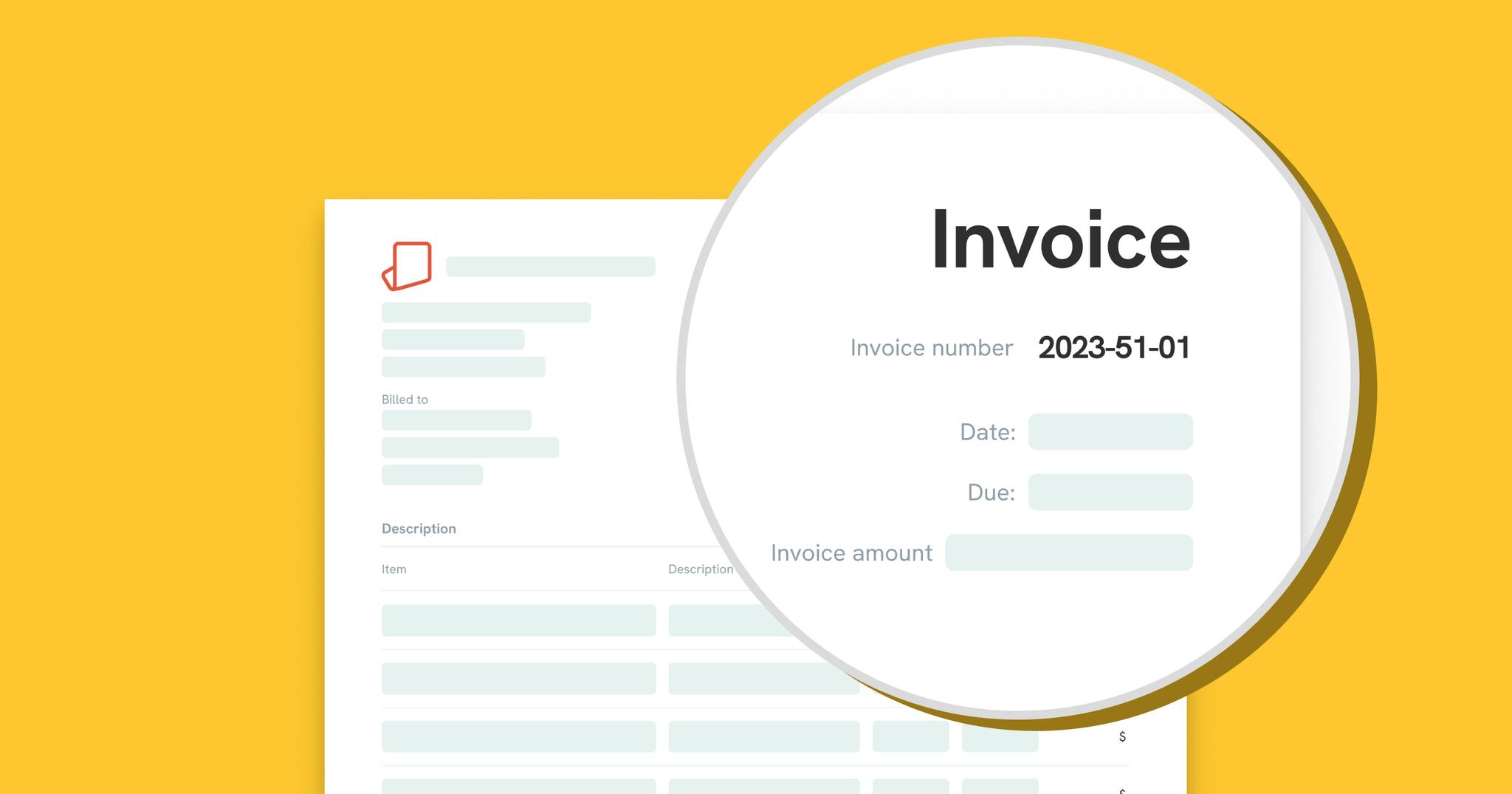
Proper invoice numbering is more than just a formality — it’s essential for keeping your business organized, ensuring timely payments, and maintaining accurate financial records. In this guide, we explain what invoice numbers are, why they matter, and how to create a system that works for freelancers and small businesses alike.
How to Properly Number Your Invoices
Introduction
Invoice numbers may seem like a minor detail, but they are critical for keeping your business organized. A well-structured invoice numbering system helps you track payments, simplifies accounting, ensures tax compliance, and projects professionalism. Whether you’re a freelancer, small business owner, or entrepreneur, understanding how to number your invoices correctly is essential.
"Organization is the key to efficiency, and proper invoice numbering ensures you never lose track of your earnings." – Financial Expert
In this guide, we’ll cover what invoice numbers are, why they matter, common numbering methods, best practices, and tips to avoid mistakes.
What Are Invoice Numbers?
An invoice number is a unique identifier assigned to each invoice. Think of it as a serial number for your financial transactions. Invoice numbers allow you to:
- Track payments efficiently
- Avoid duplication or errors
- Simplify bookkeeping and auditing
- Comply with tax regulations
Key points:
- Usually sequential
- Often required for legal and accounting purposes
- Can be manual or automated using digital tools
For freelancers or small business owners, tools like Your Free Invoice Tool
can automatically generate unique invoice numbers for each invoice, saving time and reducing errors.
Why Proper Invoice Numbering Matters
Proper invoice numbering is not just about organization — it impacts your business in multiple ways:
1. Track Payments Efficiently
Unique invoice numbers make it easy to identify which invoices are paid, pending, or overdue.
2. Simplify Accounting
Invoice numbers streamline bookkeeping and make it easy to reconcile accounts at month-end or during audits.
3. Ensure Tax Compliance
Many countries require invoices to have sequential numbers to comply with tax laws.
4. Professionalism
A clear, organized invoice demonstrates reliability and builds trust with clients.
Common Invoice Numbering Methods
There are several ways to number your invoices. Choosing the right method depends on your business needs.
1. Sequential Numbers
- Example: 001, 002, 003…
- Simple and easy to maintain, ideal for small businesses or freelancers.
2. Date-Based Numbers
- Example: 2025-11-001, 2025-11-002
- Combines date and sequence, making it easy to track invoices by month or year.
3. Client-Based Numbers
- Example: CLIENT01-001, CLIENT02-001
- Useful when dealing with multiple clients, helps track invoices per client.
4. Hybrid Method
- Example: 2025-11-CLIENT01-001
- Combines date, client code, and sequence for maximum clarity and control.
Pro Tip: Use consistent formatting to avoid confusion, e.g., always use four-digit sequences like 0001, 0002, etc.
Best Practices for Invoice Numbering
Follow these guidelines to maintain a professional and error-free invoicing system:
- Keep Numbers Unique and Sequential – Avoid duplicates to prevent confusion.
- Avoid Skipping Numbers – Even if an invoice is canceled, note it to maintain sequential order.
- Use a Consistent Format – Decide on a format and stick to it for clarity.
- Document Your System – Maintain a record of your numbering system for accounting and audits.
- Automate With Tools – Platforms like Your Free Invoice Tool
- can automatically generate numbers and reduce manual errors.
Common Mistakes to Avoid
Even small errors in invoice numbering can create big problems. Watch out for:
- Duplicate invoice numbers
- Skipping numbers accidentally
- Inconsistent formats
- Failing to link numbers to clients or projects
"Small errors in invoicing can lead to delayed payments, accounting headaches, and client disputes. Prevention is better than cure." – Accounting Today
Benefits of Proper Invoice Numbering
- Easy Tracking: Quickly see which invoices are pending or paid.
- Streamlined Bookkeeping: Simplifies month-end and tax preparation.
- Professional Image: Organized invoices reflect credibility.
- Error Reduction: Avoids duplication and disputes over payments.
Bonus Tips
- Include invoice numbers in your digital filing system for fast retrieval.
- Add prefixes to indicate invoice type, department, or project.
- Consider using Your Free Invoice Tool
- to automate numbering and save time.
- Maintain a backup of all invoices digitally to avoid loss or misplacement.
Conclusion
Proper invoice numbering is a simple yet powerful tool for business organization. It ensures accurate tracking, simplifies accounting, ensures tax compliance, and demonstrates professionalism to your clients.
Call-to-Action: Start generating properly numbered invoices easily and for free with Your Tool
today and take control of your invoicing process!